
|
This year, Addison Housing Works is celebrating 35 years of growing community. We are marking the occasion by sharing some of the stories that make our homes more than four walls and a roof. To kick things off, step through time in this two-minute video history of our organization.
0 Comments
The April Board meeting (link to Agenda) will be held Thursday, April 25, at 4:30pm at the National Bank of Middlebury at 30 Main St, Middlebury, or via Zoom. Please RSVP to let us know you are coming or to receive the Zoom link. AHW's March Board Meeting will be held at 4pm on Thursday, 3/28 at the main branch of the National Bank of Middlebury, 30 Main St in Middlebury. There is also a Zoom option. Please RSVP below to receive the meeting materials (you can view the agenda here) and/or Zoom link. We are pleased to be welcoming Khuram Hussain, VP of Equity and Inclusion at Middlebury College, to speak with us about our own organizational DEI initiatives.
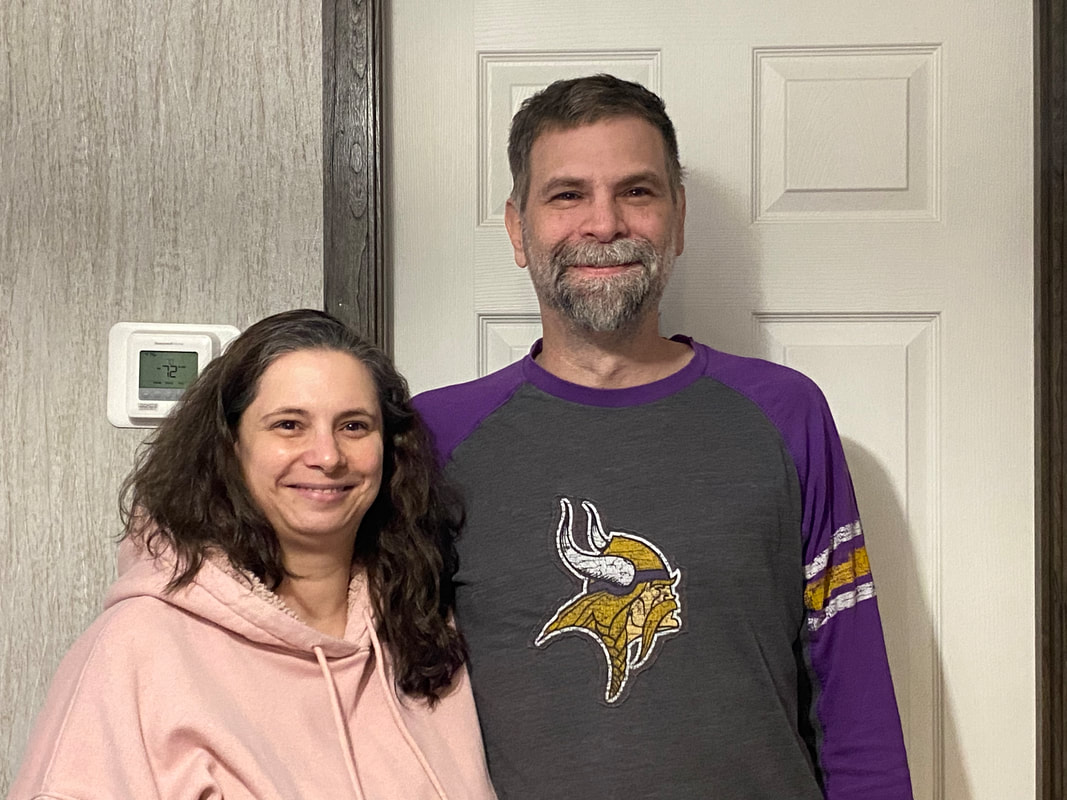
Greg was born in St. Alban's and is a self-described "Air Force Brat" whose family moved around a lot. His family finally settled back down in Vermont about 30 years ago in the Milton area. Jessica grew up in Milton and after meeting Greg 25 years ago, they decided to stay in that area. They eventually moved in with Jessica’s parents helping each other out with expenses. When Jessica’s parents decided to sell their home and make the move to Florida, Greg & Jessica were going to find themselves without housing. They found an apartment; however, it was being renovated due to flood damage from the July 2023 storms. While they waited for the renovations to be completed, they had to live in AirBnBs as there was no affordable housing to be found. Jessica had to close out a retirement account to afford the short-term rental while they waited for the apartment to be available, but it was taking so long. Living in a short-term rental was far from ideal. Some of the Airbnb’s were very accommodating, offering discounts on their normal rates and some of their units were quite eye catching, "think Ms. Pacman" (pink & yellow, with Pacman’s going across the ceiling to every light fixture). But some had shower heads so low, they had to sit in the tub to shower. They even shared a unit with an Opera singer, who practiced frequently throughout the day and sometimes into the night. In December 2023, they decided to look online at homes for sale and came across a new manufactured home at Vaughn Court in Monkton. AHW had worked with Fecteau Homes to fill a vacant lot in the park with a brand new Energy Star home. Greg and Jessica reached out to AHW to get some information about the home and find out what they would need to do to be able to purchase it. During December and January, they worked with both Fecteau Homes and AHW staff to complete the purchase. They also worked with Champlain Housing Trust for downpayment assistance and the Manufactured Housing Improvement and Repair Program for the concrete slab costs. On January 23, 2024, they became homeowners and residents of our Manufactured Housing Community at Vaughn Court. How has your life changed since finding an affordable home with Addison Housing Works? "Not having home stability or unsure where we were going to end up or what we were going to find for affordable housing, we were so stressed and anxious. Now, we are less stressed, and we finally have something to call our own." Jessica and Greg stated that every time when they round the corner, just before coming to the park, she says “I’m Home!” What is it like living in the AHW community? What do you like best? "It is quiet and we have met most of our neighbors. It is pretty quiet and easy going." What do you love about your home? "It is MINE!" What would you like the community to know about affordable housing? "The programs are there, and they work. All you have to do is ask, and people are willing to help you." 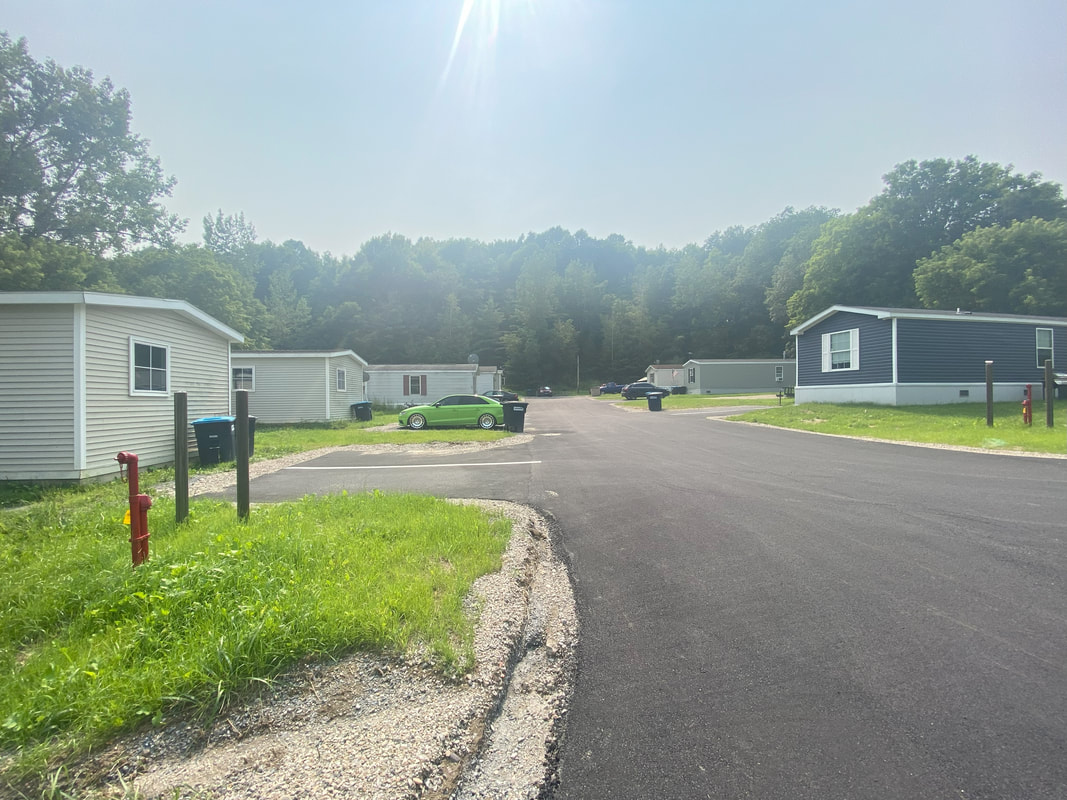 In 2023, AHW completed a $400,000 infrastructure project in Vaughn Park, replacing the aging pump house and rusty well components with a brand new above-grade structure and a new water distribution system serving the nine homes in the park. The project was made possible with a grant from the Vermont Housing and Conservation Board, as well as tax-exempt bond financing from the Vermont Housing Finance Agency.
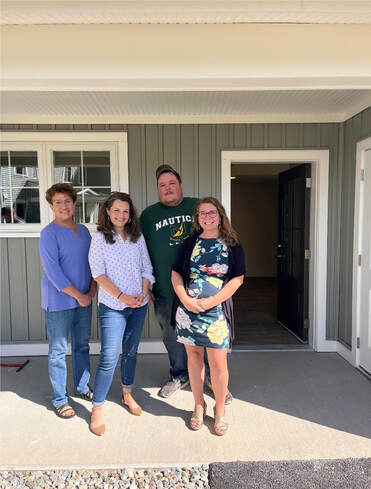
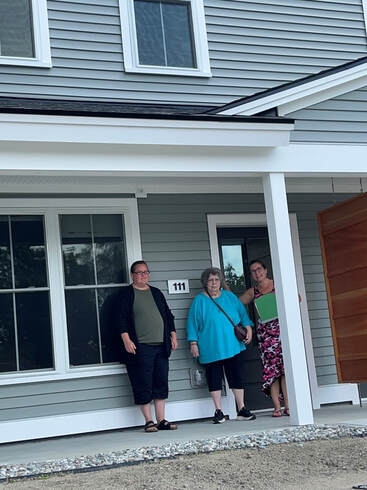
A senior citizen and a father of three find new homes at Firehouse Apartments in Bristol
Linda began her story describing the abusive and unstable household that she grew up in. Her father suffered from substance abuse and frequently moved his children across the country, leading to a traumatic upbringing for Linda and her siblings. After turning eighteen, Linda spent time in and out of a psychiatric ward as a young adult, usually involuntarily admitted. As she recounted her story, the complexity of her challenges became apparent. At one point, Linda said ruefully, “people label you,” referring to the negative perceptions that accompany mental illness and a low-socioeconomic status.
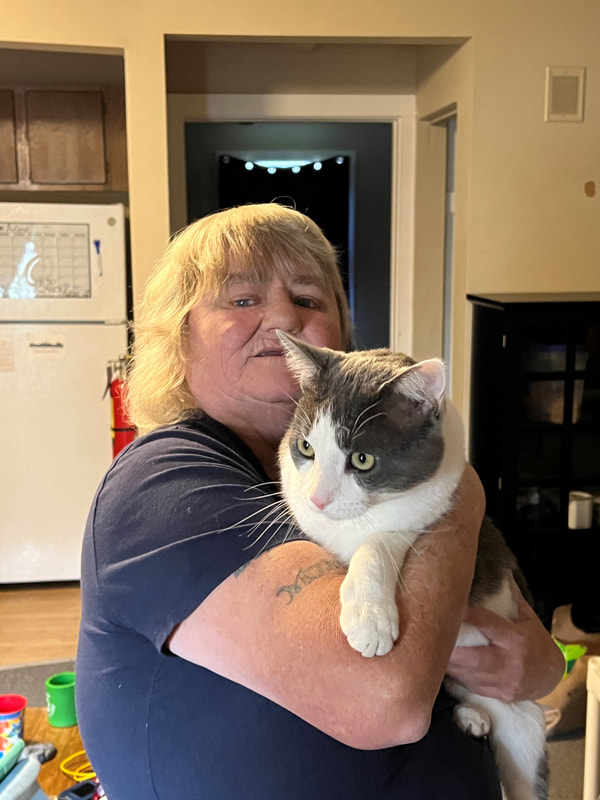
Her struggle with her mental health and lack of a stable home prevented her from holding a consistent job and forming supportive relationships. And during hospitalizations and afterwards, she had no control over her finances. These barriers, along with the instability, danger, trauma, and dehumanization that Linda faced for years, contributed to her “black heart” or what she described as her “anger and hatred towards the world.” But Linda’s life began to turn around as she found that “night light” as she developed strong relationships with her treatment team at CSAC. Once she experienced a consistent treatment plan for her mental health and moved into a stable and safe apartment with AHW, Linda has been better able to address the stress, emotional triggers, and barriers that she has had to face. Now she spends her time making crafts, taking care of her cat companion Jojo, and she has a strong desire to support her fellow community members. When asked what she wants the Middlebury and greater Middlebury community to know, Linda said, “No matter what’s going on, don’t give up.” We are grateful that Linda shared her time and story to shed light on the barriers that individuals experiencing the traumas of homelessness, substance abuse, and mental illness face. Her message and story are powerful and impactful, describing how the combination of mental health support, housing stability, and resilience can truly transform an individual’s life for the better. Addison Housing Works' February Board meeting is being held Thursday, February 29th, at 50 Armory Lane in Vergennes (the Vergennes senior building). RSVP below to receive the packet and Zoom link, if desired. The agenda is posted here. Meanwhile, February has been another busy month in the housing world and at AHW. On Valentine's Day, we also celebrated Housing and Conservation Legislative Action Day at the State House and met with lawmakers to discuss full funding for the Vermont Housing & Conservation Board, additional one-time funding to bring more housing projects online, investments in resident services program, and zoning & permit reform. We also received additional funding through the ARPA-funded ANR Healthy Homes program to continue engineering and permitting work in seven of our manufactured housing communities. Upgrading infrastructure and ensuring safe and effective water supply and wastewater treatment is a time-consuming process and we anticipate we'll be working on these projects through at least the next five years. We've emerged from the 10 darkest weeks of the year and while we're a few days off from Punxatawney Phil's proclamation, we're poking our heads out to share some of what we've been up to!
Manufactured Housing Communities: While AHW unfortunately wasn't funded in this round of Leahy Institute grants for rural partnerships, the program was featured on VPR along with a tour of one of AHW's manufactured housing communities to illustrate how a partnership might help the park become more resilient to climate change. Shared Equity Homeownership: while it's been increasingly difficult to find homes beneath or even near our purchase price limit of approximately $300,000, downpayment assistance remains an important tool for increasing homeownership, especially among househoulds with no generational wealth, according to a recent Urban Institute report. According to the report, "Between September 2010 and September 2023, home prices rose 114 percent, while the consumer price index rose about 41 percent and wages rose 50 percent. In 2010, $10,400 would have covered a 5 percent down payment on the median home purchase, whereas now, a borrower would need $22,240 for the same 5 percent down payment." You can learn more about AHW's shared equity downpayment grant program here. Housing Development: Having completed and fully leased Firehouse Apartments in Bristol, AHW is continuing to look for opportunities to develop new affordable housing for Addison County, in a very resource constrained market with few buildable sites available for development. Meanwhile, another Urban Institute report clearly points the finger at a lack of supply as the primary culprit responsible for our current housing crisis. Finally, AHW was thrilled to be awarded a $775,000 grant from the Vermont Housing and Conservation Board to support a new shared equity housing development in Middlebury! From the press release: The Board committed $775,000 to allow Addison Housing Works (AHW) to provide down-payment assistance on six new construction single-family homes that are part of a real estate development project in Middlebury. Summit Development LLC (Summit), a private developer, is in the early phases of building more than 200 housing units in Middlebury, which will include both rental and homeownership. Summit plans to set aside six of the homeownership units for shared-equity buyers, who will receive down-payment assistance through AHW in exchange for limited equity upon resale. AHW will hold our regular January Board meeting on 1/25/24 at 4pm at the National Bank of Middlebury at 30 Main St in Middlebury, or via Zoom. Please RSVP below to receive a copy of the packet. |
AuthorAddison Housing Works staff members share news and information about upcoming events. Archives
July 2024
Categories |
 RSS Feed
Main Office: 272 Main St | PO Box 311 | Vergennes, VT 05491 | (802)877-2626 | TTY: 7-1-1
Apartment Management Division: 272 Main St | PO Box 156 | Vergennes, VT 05491 | (802)877-2626
Apartment Management Division: 272 Main St | PO Box 156 | Vergennes, VT 05491 | (802)877-2626